.png)
Bringing the Deep Ocean Into View
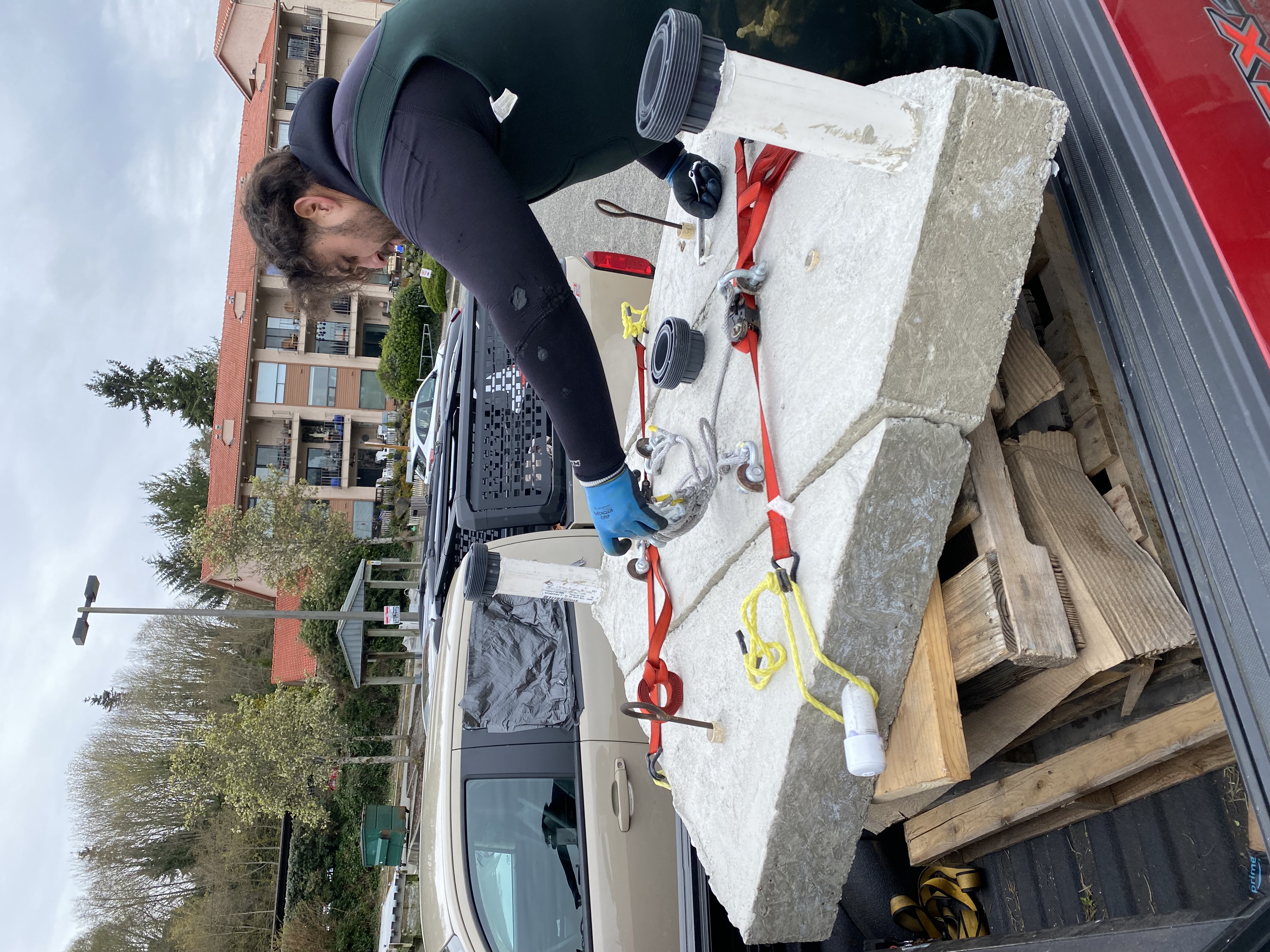
Step 1: Building the Foundation
In partnership with MaST Aquarium, we designed and built the concrete structure that would serve as the foundation for the underwater camera system. Every detail was carefully planned to create a stable platform for long-term monitoring in the deep.
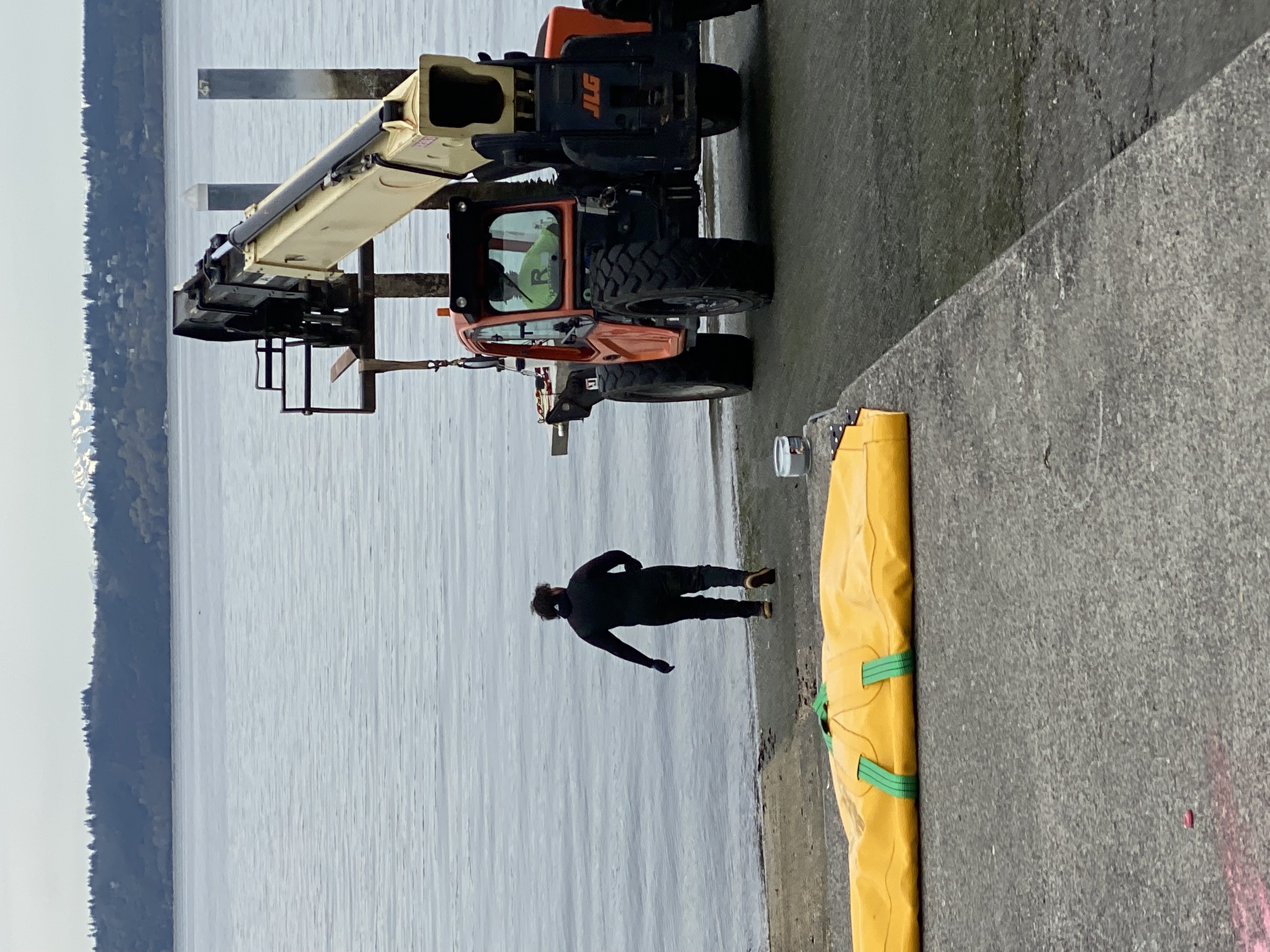
Step 2: Preparing for Deployment
Once the structure was complete, our team moved it into the water and installed lift bags to help safely control its movement during the deployment process.
Step 3: The Big Beaver Goes to Work
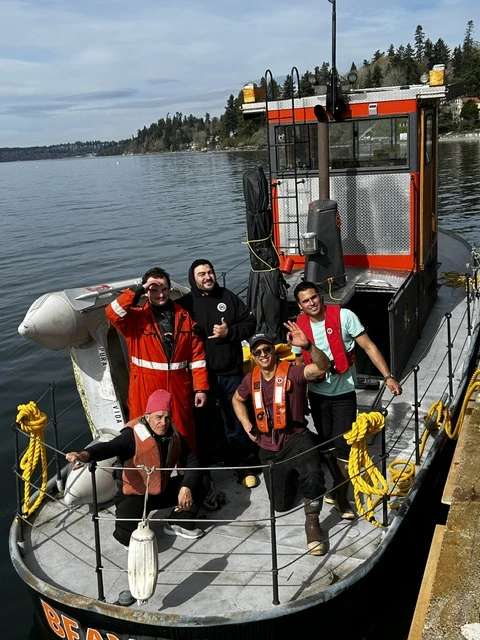
Using our tug boat, affectionately known as the Big Beaver, we carefully towed the concrete base to its final location. This step required precision, teamwork, and experience working in challenging marine environments.
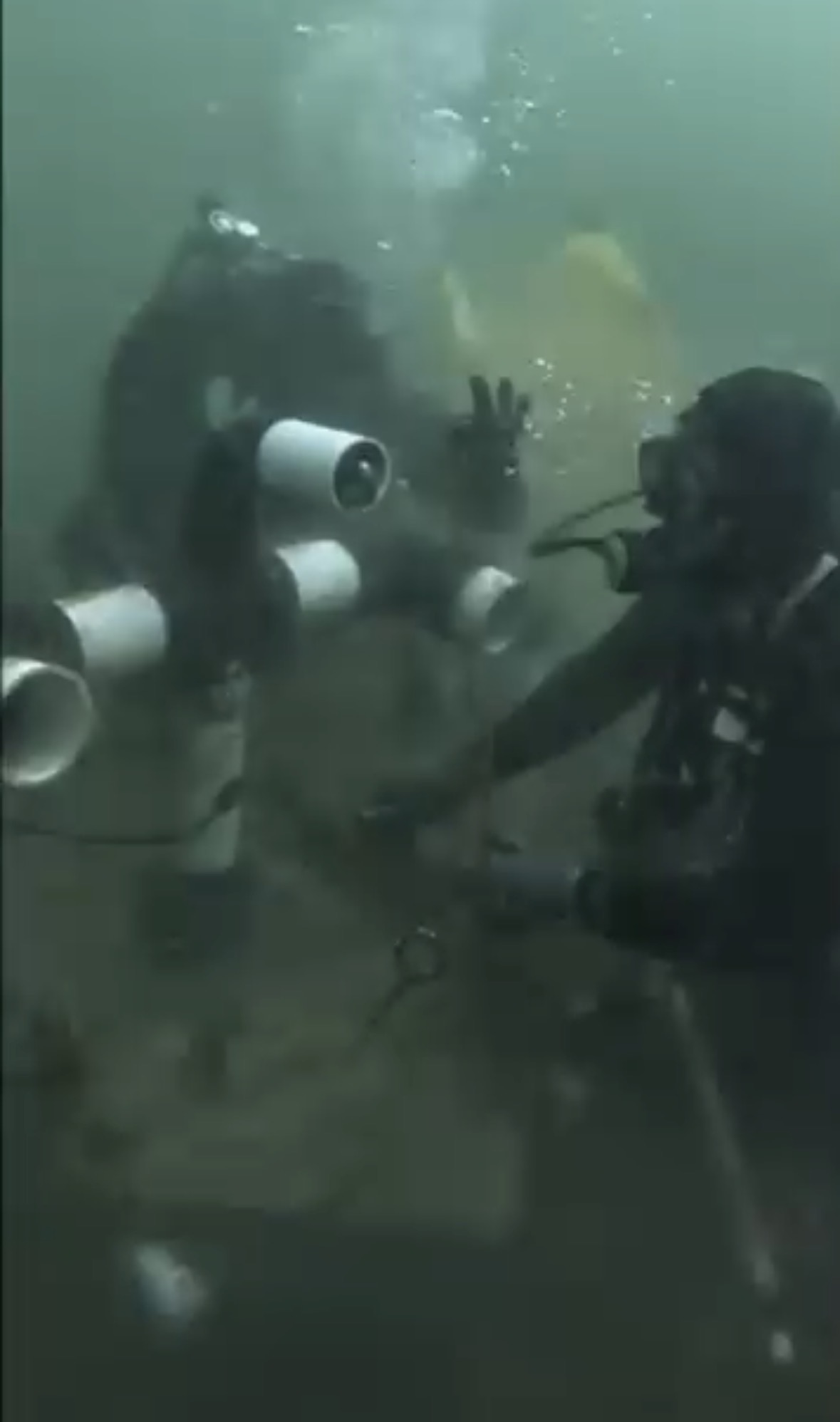
Step 4: Setting the Structure in Place
Installing the structure required careful placement deep below the surface, where low-visibility conditions made precision, stability, and coordination especially important.
Step 5: Connecting to the Deep
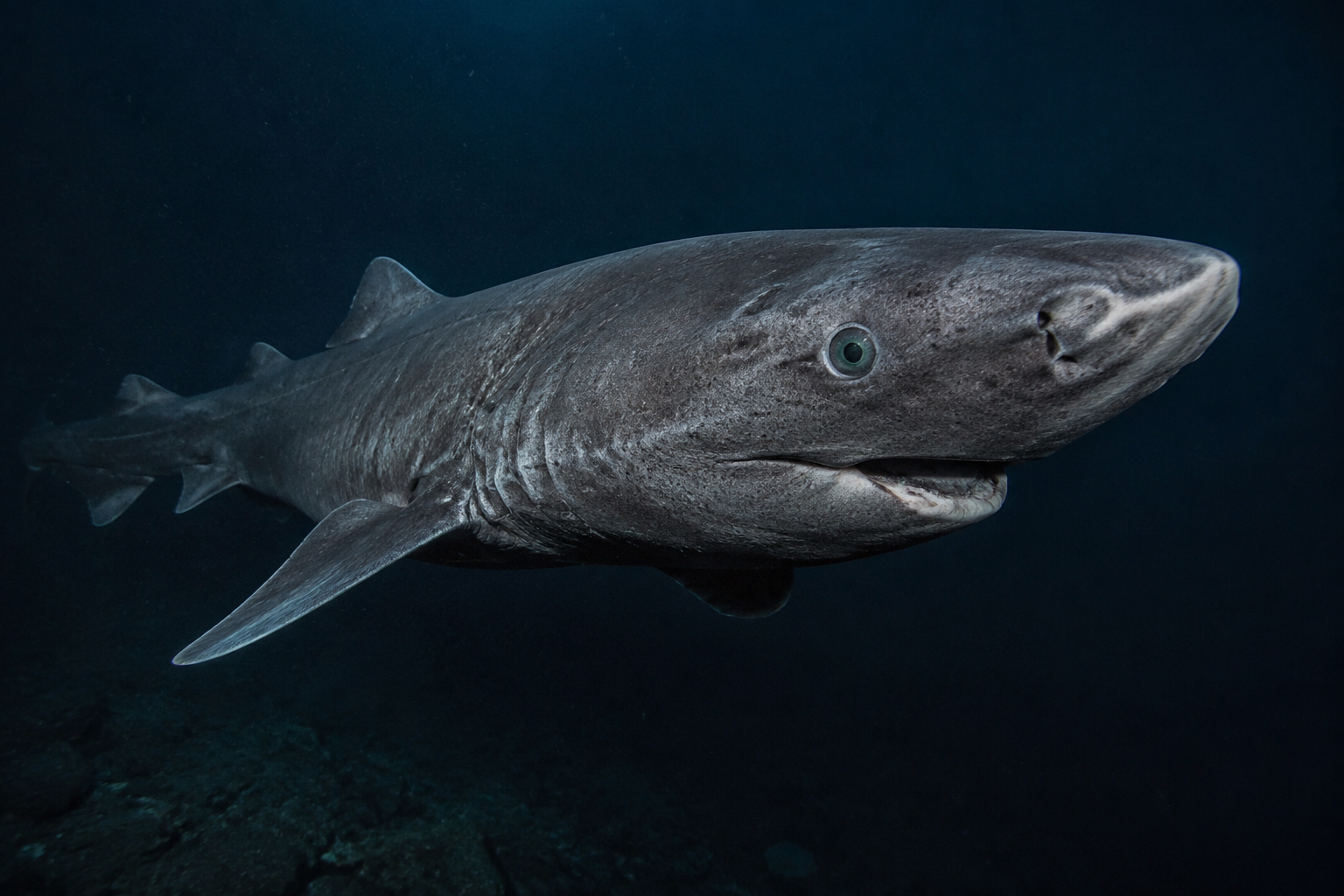
With the structure secured, we installed and connected the cameras, allowing researchers to monitor the sixgill shark and listen to the sounds of the ocean—including the movements of sharks and whales in their natural environment. Check out the live camera footage!